
For most of my life, I believed creativity thrived in busy seasons — the “hustle mode,” the late-night bursts of energy, the long to-do lists that kept me always in motion. But over the past year, I’ve shifted into a slower, more intentional lifestyle, and the impact on my creativity has surprised me in the most meaningful ways.
Slow living began with tiny changes: putting my phone in another room, brewing tea without multitasking, and allowing myself quiet mornings instead of rushing straight into tasks. At first, it felt unproductive — like I was giving up precious time. But slowly, I realized I wasn’t losing time at all. I was reclaiming it.
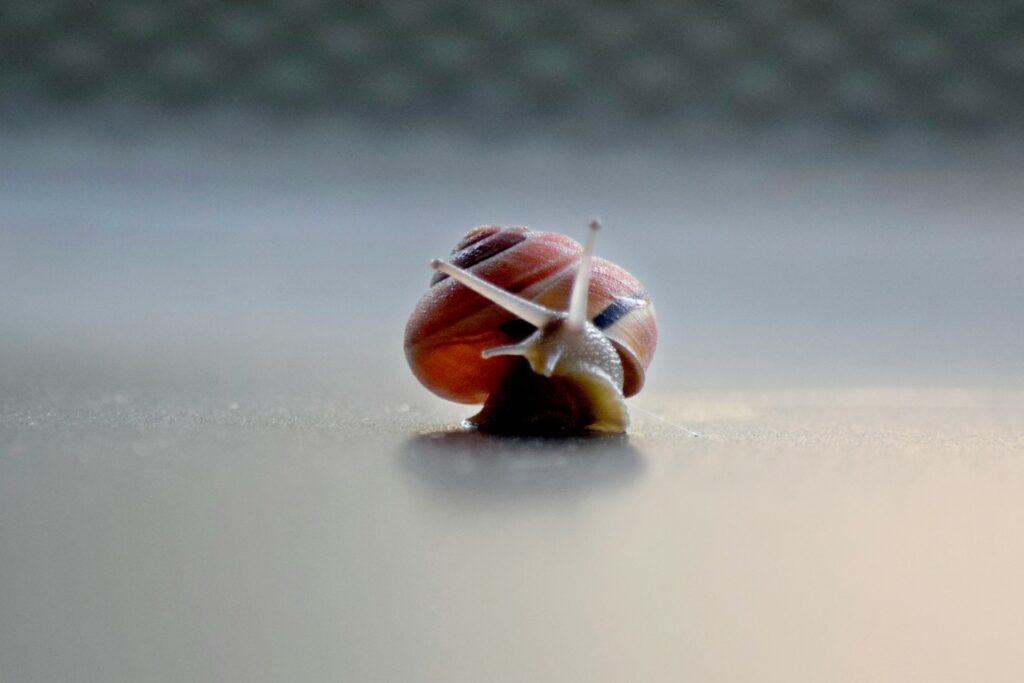
As the pace eased, ideas began to flow more naturally. I started noticing things I had overlooked: the way sunlight hits my notebook, the sound of leaves outside my window, the softness of fabrics as I work on a project. These small sensory details became creative sparks that I never would’ve noticed before.
I also started journaling again — not the structured kind, but simple, honest reflections. Writing about my thoughts helped me understand what inspires me and what drains me. It made me more intentional with the projects I chose and helped me reconnect with the reasons I started creating in the first place.
Another surprising shift was how slow living improved my emotional well-being. When creativity isn’t rushed, it feels less like a performance and more like an expression. I became kinder to myself, less focused on results, and more attuned to the process. And because of that, I’ve produced some of my most meaningful work this year.
If you’ve been feeling drained, overwhelmed, or stuck creatively, try slowing down. Let your inspiration come from presence, not pressure. Creativity doesn’t always need intensity — sometimes it just needs room to breathe.
